Kumule Festival
Introduction
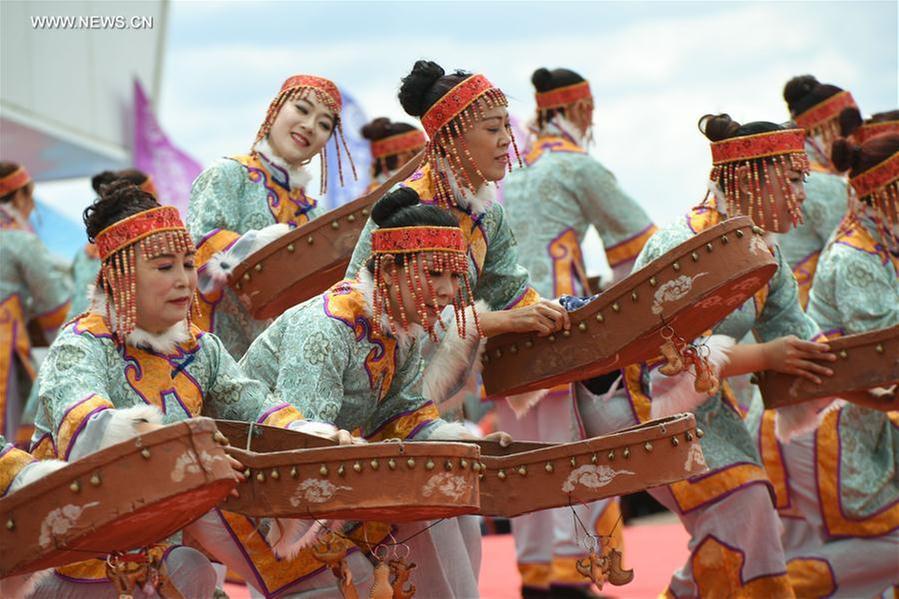
The Kumule Festival is an annual celebration held by the Daur ethnic group. This festival is an integral aspect of the Daur cultural identity, showcasing the rich traditions and vibrant cultural expressions of the Daur people. With performances such as dance dramas like "Daur People," the festival serves as a cultural spectacle that attracts both locals and tourists. Held often on the last Sunday in May or first Sunday in June, the Kumule Festival is a vibrant display of traditional Daur costumes, music, and dance, providing a window into the longstanding cultural practices of this ethnic group.
History
Origins
The origins of the Kumule Festival are deeply embedded in the cultural history of the Daur people. While the exact historical inception of the festival is not clearly documented, it is believed to have evolved from agricultural rites and community gatherings that aimed to celebrate the end of spring and the beginning of the harvest season.
Evolution
Over the years, the Kumule Festival has evolved from a small community gathering to a significant cultural event that draws visitors from various regions. Initially, the festival was celebrated with simple rituals and community feasts, but it has expanded to include a range of cultural performances and showcases. This evolution reflects both the adaptability and the enduring significance of the festival in Daur society. As modern influences have intersected with traditional practices, the festival has incorporated contemporary elements while maintaining its traditional core, allowing it to remain relevant to the Daur people today.
Cultural Significance
The cultural significance of the Kumule Festival lies in its ability to preserve and propagate the unique cultural identity of the Daur ethnic group. It serves as a platform for the Daur people to express their cultural values, beliefs, and traditions through music, dance, and other artistic expressions. The festival plays a crucial role in the intergenerational transmission of cultural knowledge, ensuring that young members of the community are engaged with their heritage. Furthermore, the festival strengthens community ties, as it brings together members of the Daur community, fostering a sense of unity and cultural pride.
Celebration Practices
Traditional Activities
Traditional activities during the Kumule Festival are centered around dance, music, and storytelling. One of the most prominent features is the dance drama "Daur People," which is performed by troupes to capture the essence of Daur life and folklore. These performances are not just entertainment but are also educational, as they convey historical narratives and cultural values. Other traditional activities include communal feasting, which features regional dishes and delicacies, and various folk games that are played by both children and adults. These activities are integral to the festival's ability to maintain its cultural authenticity.
Modern Adaptations
In recent years, the Kumule Festival has seen modern adaptations that have expanded its appeal and accessibility. Modern technology is used to enhance performances with lighting and sound effects, making them more engaging for contemporary audiences. Additionally, the festival now includes workshops and exhibitions that allow visitors to learn about Daur crafts, cuisine, and history in interactive ways. These adaptations have helped to increase the festival's visibility and attract a wider audience, including tourists seeking an immersive cultural experience in Heilongjiang province.
Impact on Local Economy
The Kumule Festival has a significant impact on the local economy, particularly in Qiqihar of Heilongjiang province and surrounding areas. As the festival draws large crowds, it stimulates economic activity by boosting tourism and hospitality sectors. Local businesses, including restaurants, hotels, and shops, benefit from the influx of visitors who come to experience the festival. The increased economic activity contributes to the development of infrastructure and public services, further enhancing the region's attractiveness as a cultural tourism destination. Moreover, the festival provides opportunities for local artisans and performers to showcase their talents and generate income, supporting the preservation of Daur cultural practices.








